How Do You Choose The Right Case Size And Proportions For A Luxury Watch On Your Wrist?
Case diameter is only the headline number. Lug-to-lug length, thickness, and how the lugs curve decide whether a fine watch actually sits well on your wrist.
Why diameter alone tells you very little
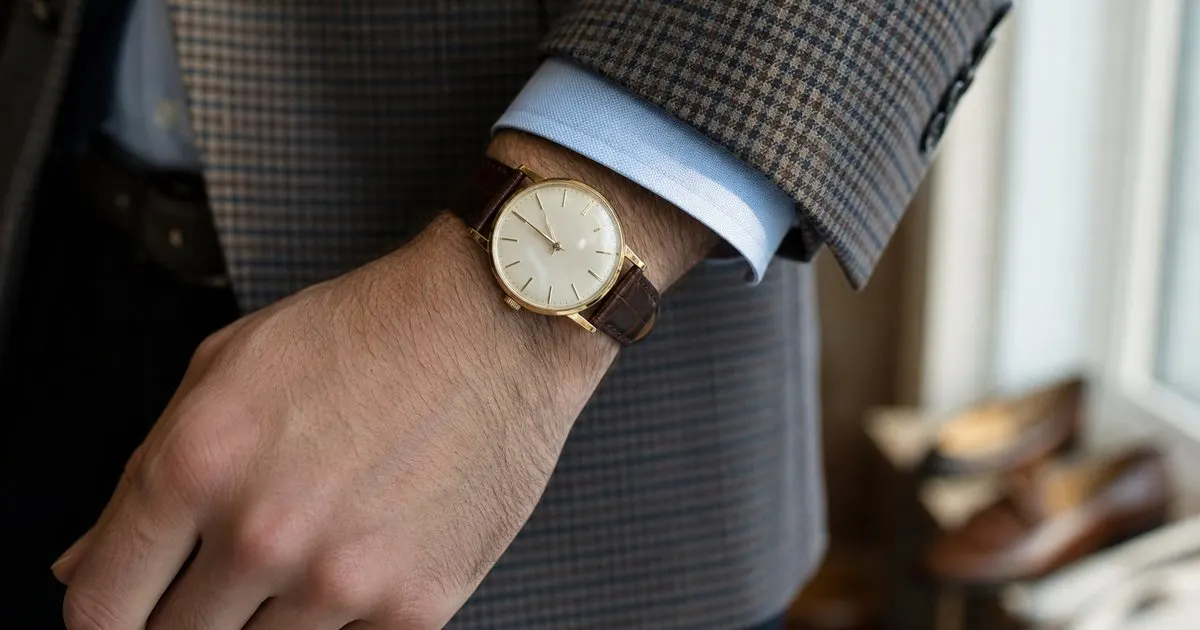
Most listings lead with the case diameter, and most buyers anchor on it. Yet two watches with identical diameters can wear completely differently. A bezel-less dial with thin case flanks looks larger than the number suggests, while a thick rotating bezel visually shrinks the same case. Dial color matters too: a white or silver dial reads bigger on the wrist than a black or deep blue one of the same size. Treating diameter as the whole story is the most common mistake we see among buyers in the five to fifteen thousand dollar range.
The more useful measurement is lug-to-lug length, the distance from the tip of the upper lugs to the tip of the lower lugs. This is the figure that determines whether the watch overhangs the edges of your wrist. As a rule of thumb, if the lug-to-lug is longer than the flat width of your wrist, the watch will look perched rather than settled, no matter how modest the diameter. Ask the seller for this measurement if it is not published; any reputable dealer can put a caliper on the case. Related: What Determines Whether A Fine Watch Will Hold Its Value Over Time?
Keep reading: How Should A New Collector Begin Building A Serious Luxury Watch Collection?, What Determines Whether A Fine Watch Will Hold Its Value Over Time?, How Do You Authenticate A Luxury Watch Before Making A Significant Purchase?. See how Chronoholm helps you a collector guide to buying fine and luxury watches.
Thickness, lug curvature, and how the watch actually sits
Thickness decides whether a watch slips under a shirt cuff or catches on it. Time-only manual wind dress watches are typically the slimmest, automatics with a full rotor add height, and chronographs or watches with heavy water resistance ratings are thicker still. A watch that is thick relative to its diameter will look top-heavy and tends to roll on the wrist when the strap loosens across a warm afternoon.
Lug curvature is the detail almost nobody discusses and nearly everybody feels. Lugs that drop sharply hug a slim wrist and make a longer lug-to-lug wearable; flat, straight lugs need a wider wrist to avoid overhang. Case-back design plays a role as well: a domed case-back raises the watch off the skin, while a flat one sits lower and steadier. When you try a watch on, look at it in profile, not only from above, and note whether there is daylight between the lug tips and your wrist. Related: How Do You Authenticate A Luxury Watch Before Making A Significant Purchase?
Measuring your wrist and interpreting the numbers
Measure your wrist circumference with a soft tape at the point where you actually wear a watch, then measure the flat width across the top of the wrist bone. The circumference tells you what strap or bracelet length you need; the flat width tells you the maximum lug-to-lug that will sit comfortably. Do this in the afternoon, since wrists swell slightly through the day, and note that the same wrist can feel a full size different in winter and summer. Related: When Should A Collector Choose A Bracelet Over A Leather Strap On A Fine Watch?
Once you have those numbers, a practical approach is to build a small personal chart: your flat wrist width, the lug-to-lug of watches you already own and love, and the lug-to-lug of anything you are considering. Patterns emerge quickly. Most collectors find they have a comfortable lug-to-lug window of a few millimeters and that diameters within that window feel right regardless of style. Trying on watches at a boutique or a trusted dealer, with your own measurements in hand, turns a guess into a decision.
Proportions within the category you are buying
The right proportions are not universal; they are category specific. A dress watch is expected to be discreet, sitting close to the wrist and disappearing under a cuff, so smaller and thinner is usually correct even for larger wrists. A dive watch or a sports chronograph is meant to carry visual weight, and a slightly larger case reads as intentional. Buyers who apply dress watch proportions to a tool watch, or the reverse, often end up with a piece that looks out of place despite fitting technically.
Consider also how a watch will live in your collection. If you already own a substantial steel sports piece, a slim, smaller dress watch adds range rather than redundancy. Vintage-inspired designs tend to run smaller than modern ones, which is part of their appeal and part of why they sit so well on many wrists. When you are spending real money, buy the proportions you will reach for every morning, not the ones that photographed well on someone else. Related: How Should A New Collector Begin Building A Serious Luxury Watch Collection?
- Lug-to-lug length, not diameter, is the measurement that decides whether a watch overhangs your wrist.
- Thickness relative to diameter determines whether a watch sits stable and slides under a cuff.
- Measure your flat wrist width in the afternoon and compare it against lug-to-lug figures before you buy.
- Correct proportions depend on the category; dress watches should sit small and close, sports watches can carry more presence.

Julien Jimenez
Julien Jimenez is an independent software builder based in Paris. He designs, ships, and operates focused SaaS products for small businesses and independent professionals. Read the full author page.
Collect with Knowledge and Patience
A collector guide to buying fine and luxury watches. Chronoholm is built to help you put this into practice.
Start collectingMore from the Chronoholm blog
How Should A New Collector Begin Building A Serious Luxury Watch Collection?
What Determines Whether A Fine Watch Will Hold Its Value Over Time?

How Do You Authenticate A Luxury Watch Before Making A Significant Purchase?
Get the complete fine and luxury watches guide
Our full buying guide, the price guide, and new research as we publish it. One email, no spam, unsubscribe any time.