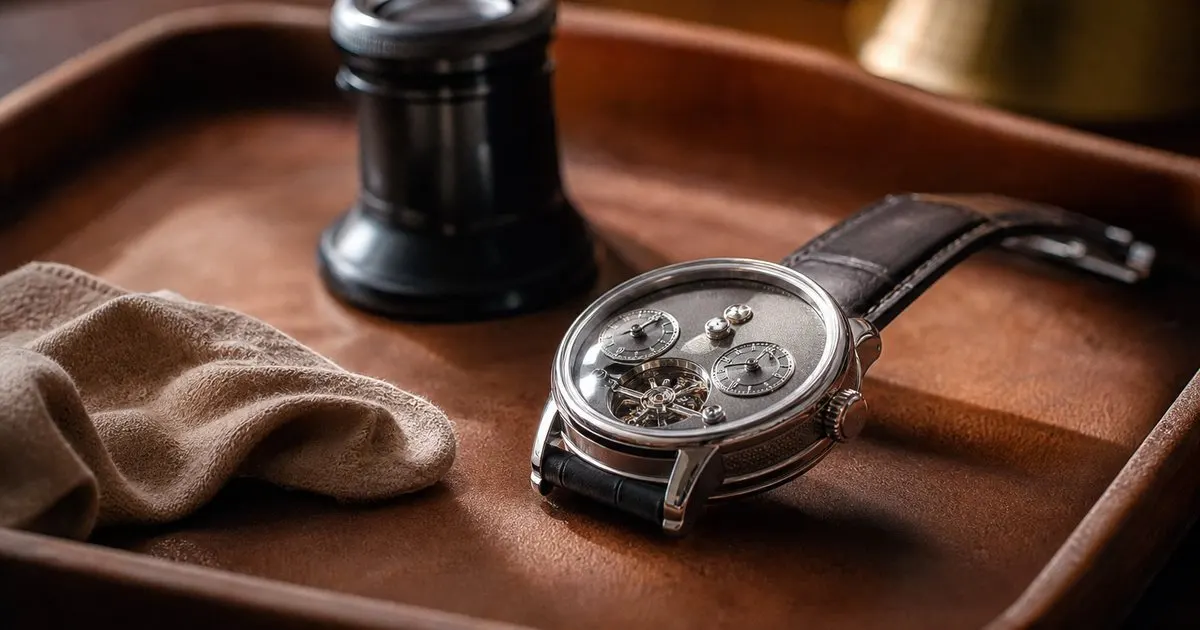
Fine and Luxury Watches
How Should A New Collector Begin Building A Serious Luxury Watch Collection?
A patient, principled starting point for anyone entering fine watch collecting with intent rather than impulse.
Practical, honest advice from the team behind Chronoholm, written to help you do this well.
A patient, principled starting point for anyone entering fine watch collecting with intent rather than impulse.
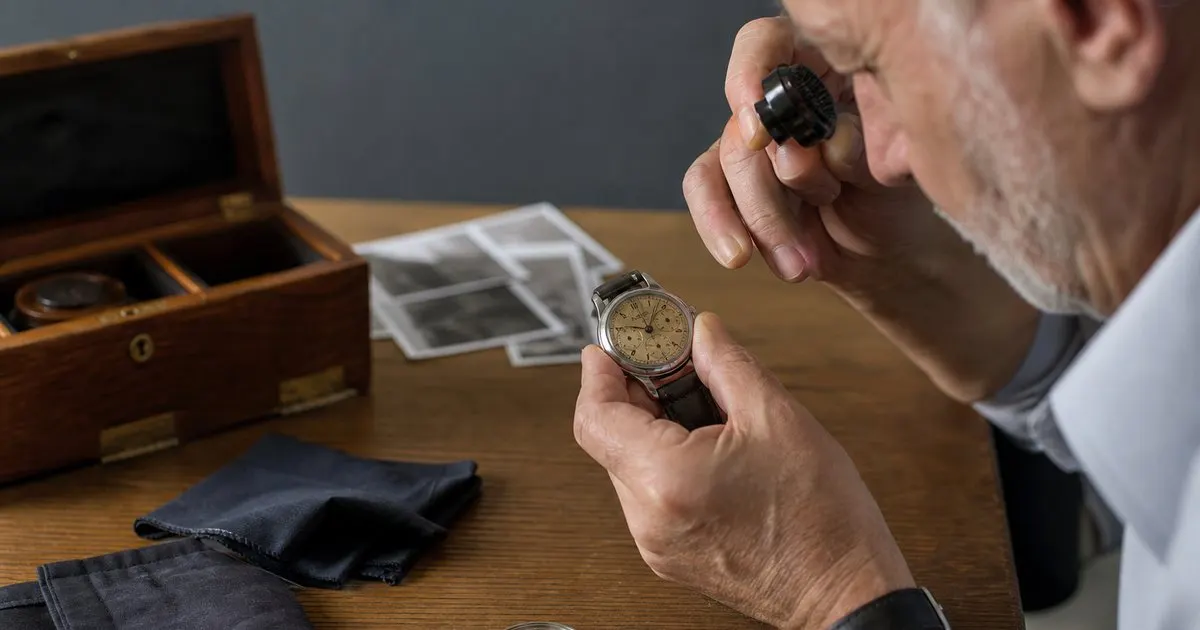
The factors that influence value retention in luxury watches, and why none of them is a guarantee.
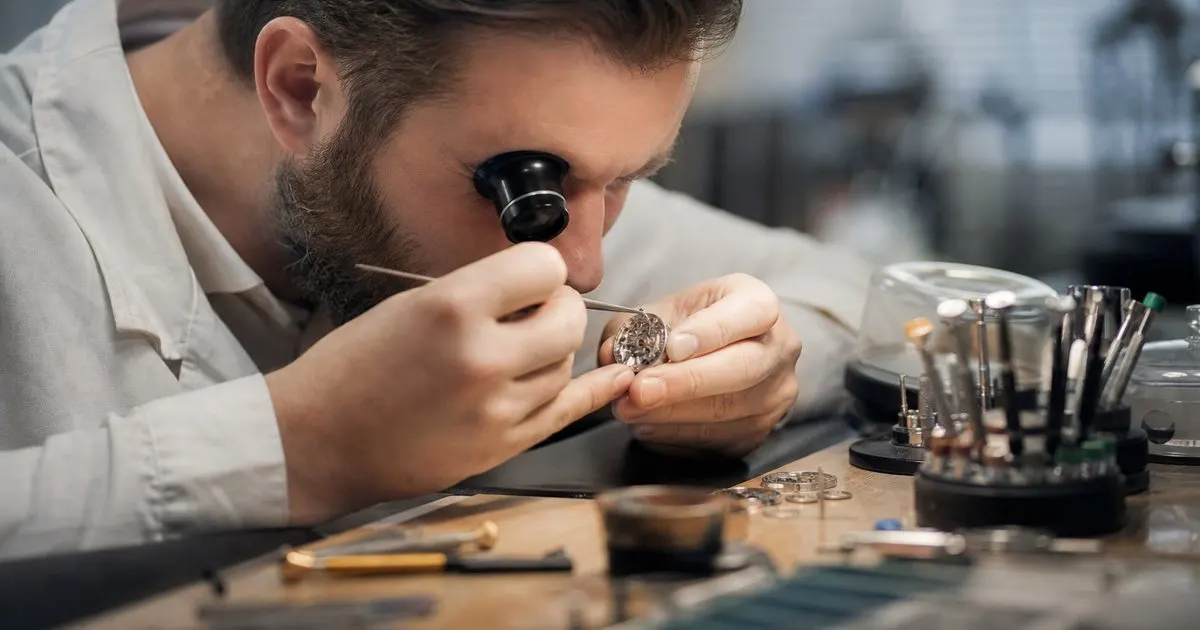
A careful approach to verifying a fine watch, so a major acquisition rests on evidence rather than trust alone.
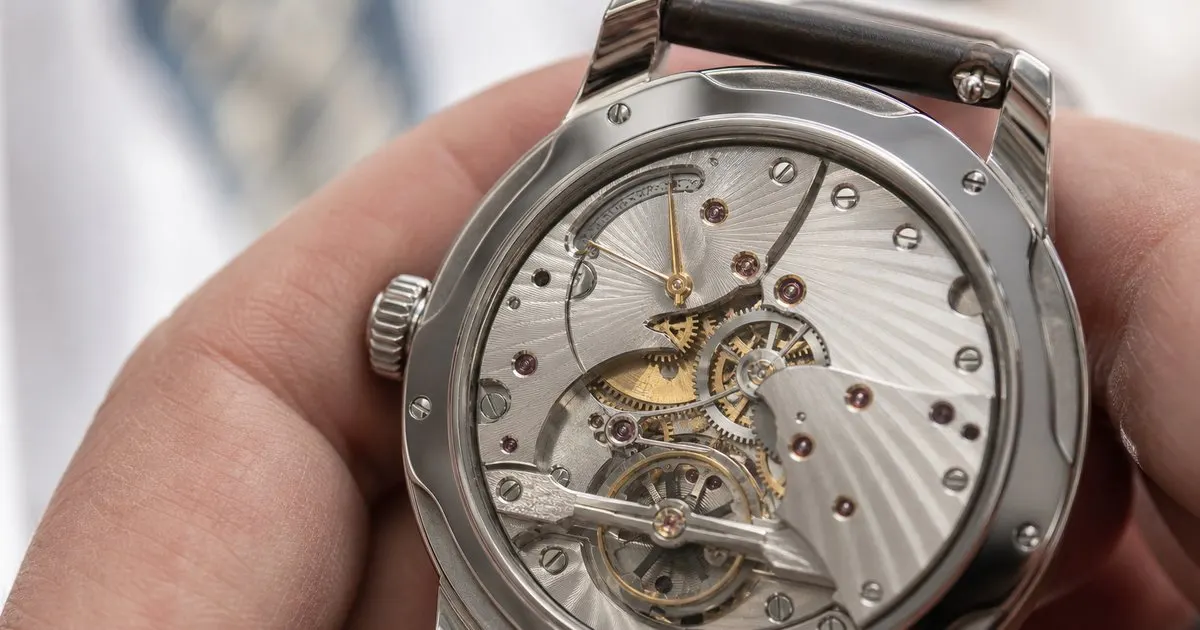
How to decide which watch complications justify their cost, and which are best admired rather than owned.
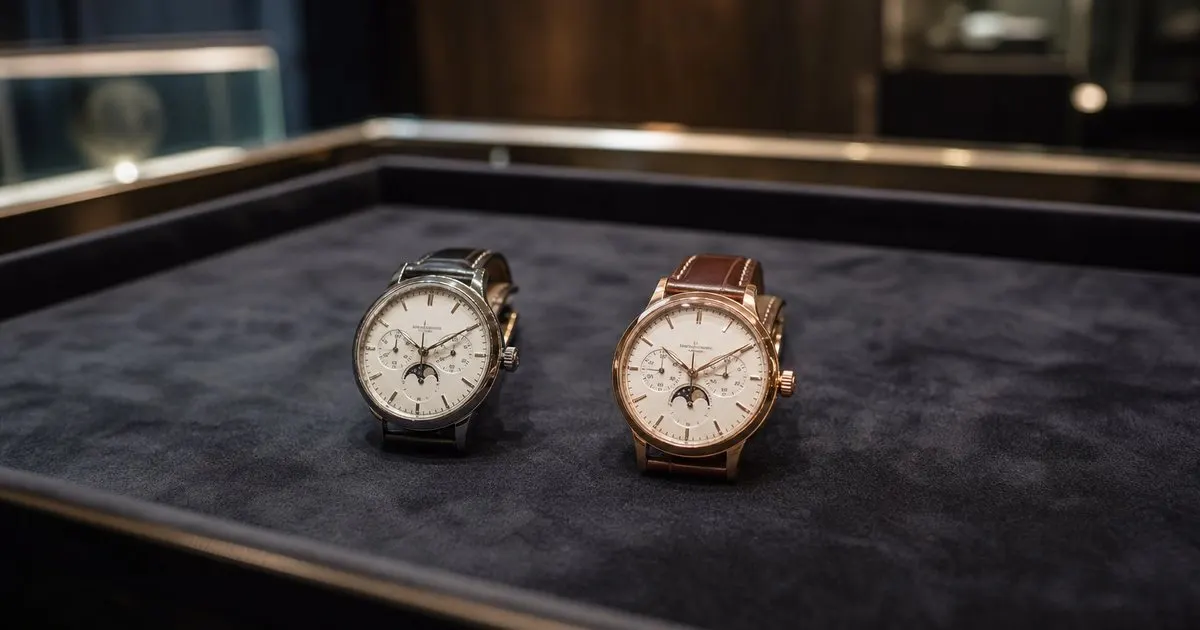
Weighing the merits of buying new against the opportunities and cautions of the pre-owned market.
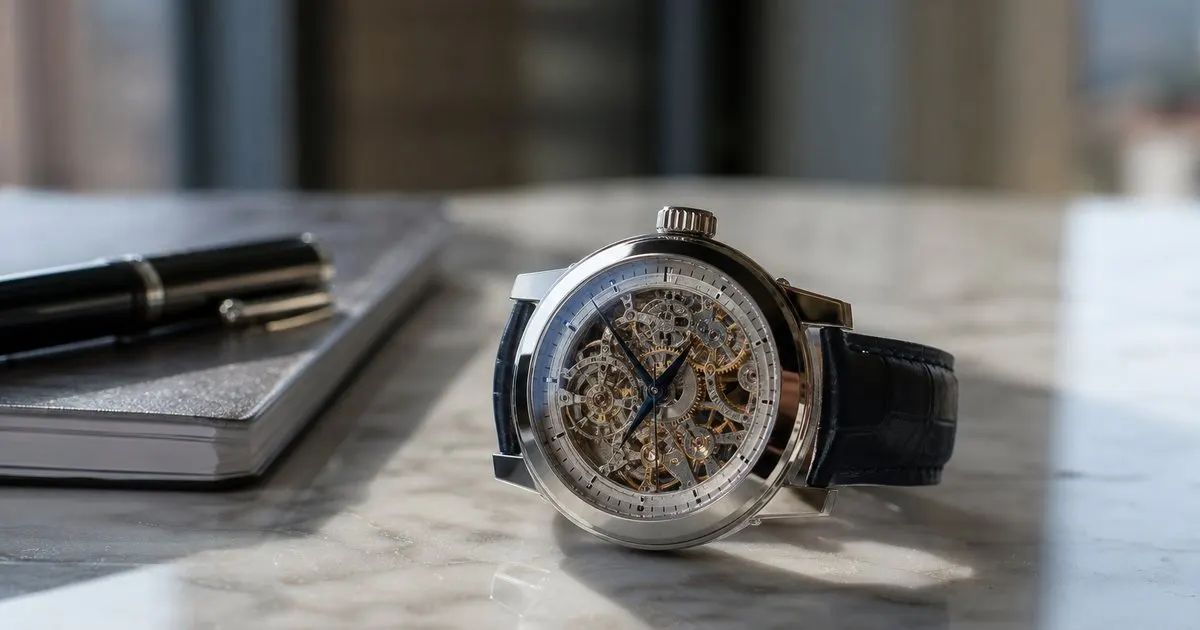
A grounded way to set a budget for a first serious watch, without confusing price with wisdom.
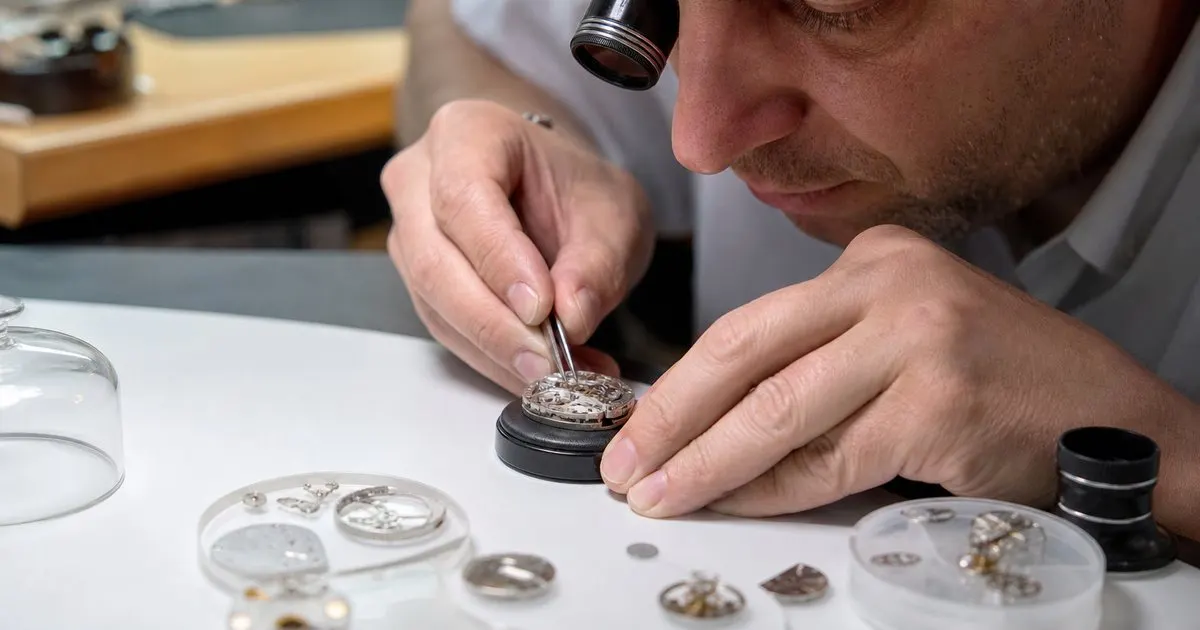
How to keep a fine mechanical watch running well, and why care is part of responsible ownership.
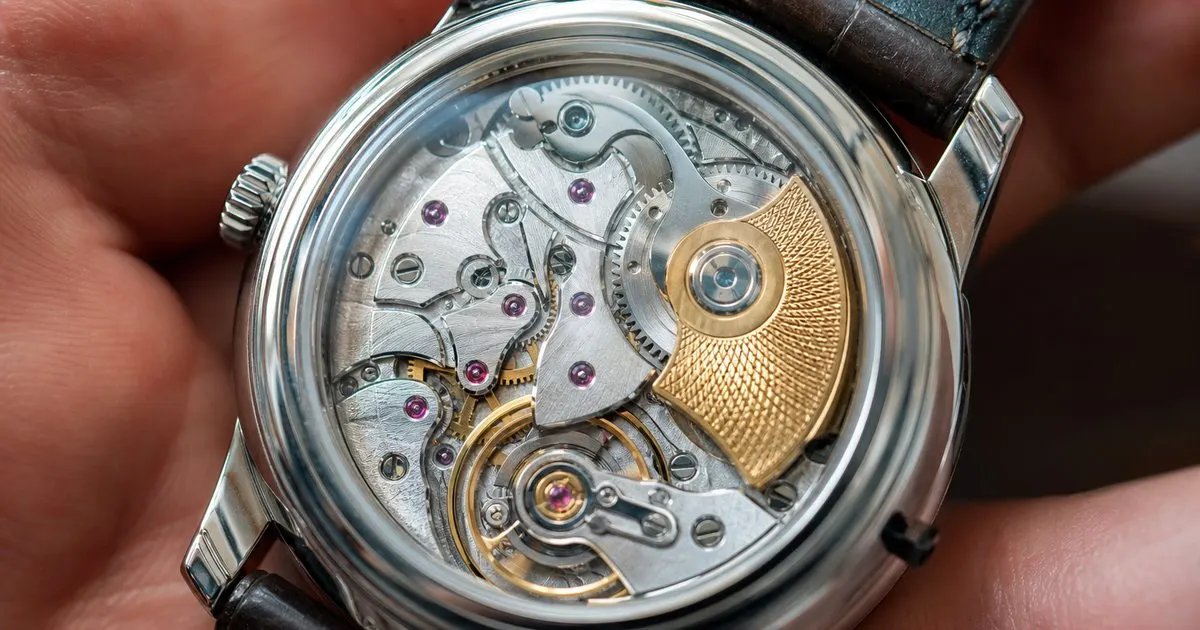
A practical guide to reading the quality of a watch movement, the true engine of any fine timepiece.
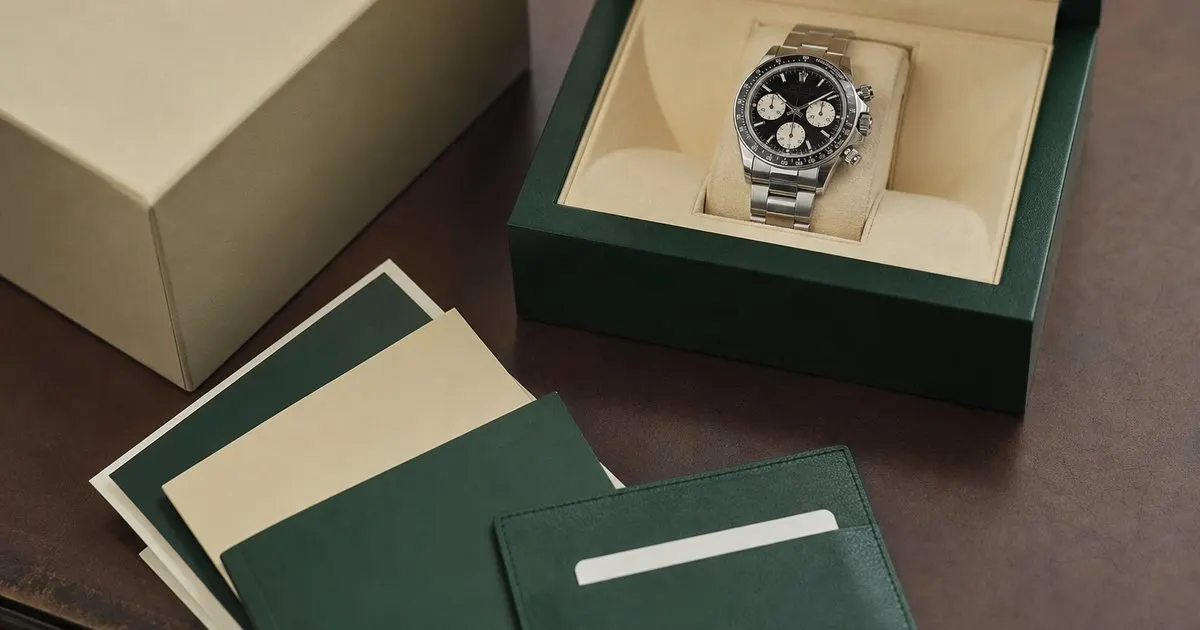
The records and history that safeguard authenticity and value, and why keeping them together matters.
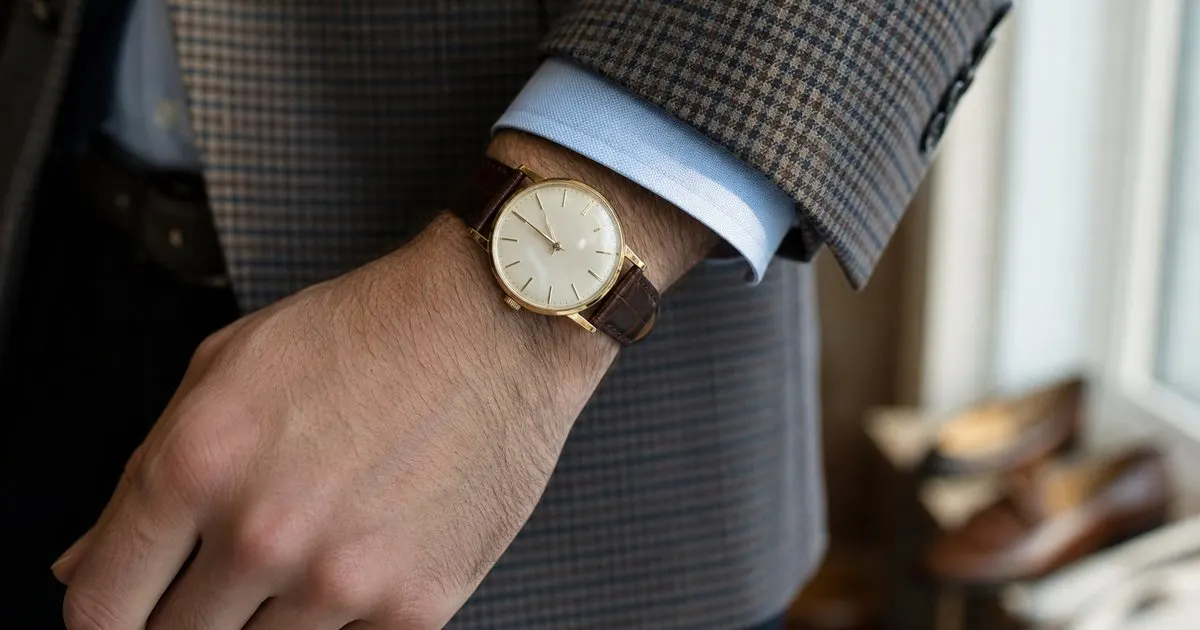
Case diameter is only the headline number. Lug-to-lug length, thickness, and how the lugs curve decide whether a fine watch actually sits well on your wrist.
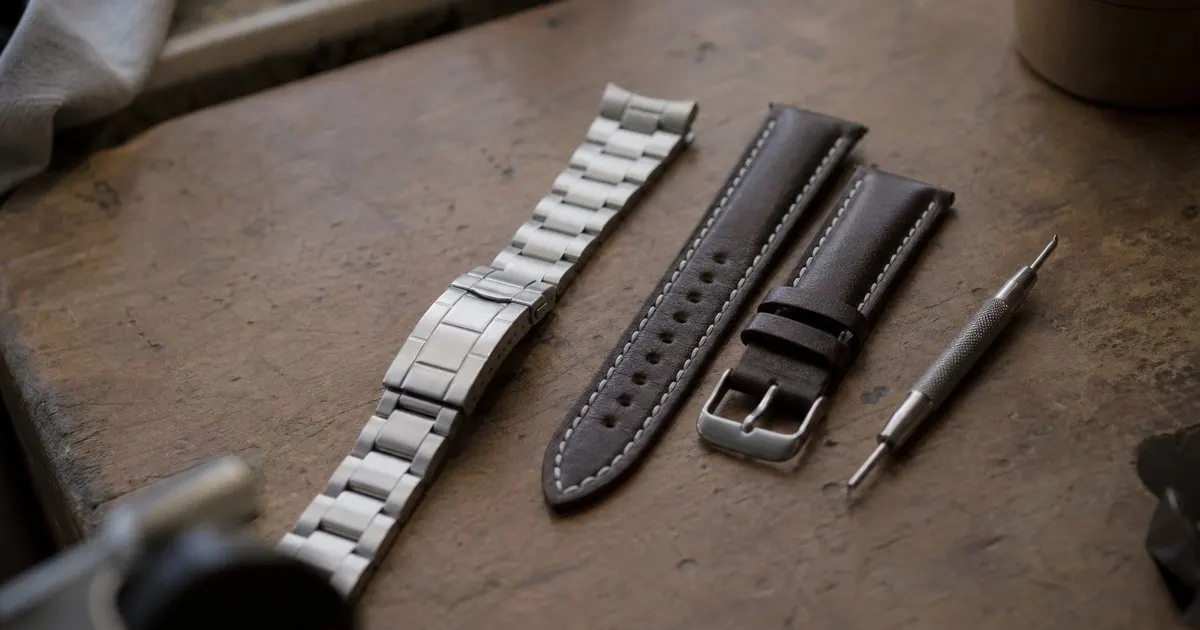
The choice between a metal bracelet and a leather strap changes how a watch wears, how it ages, and what it is worth later. Here is how to decide with a clear head.
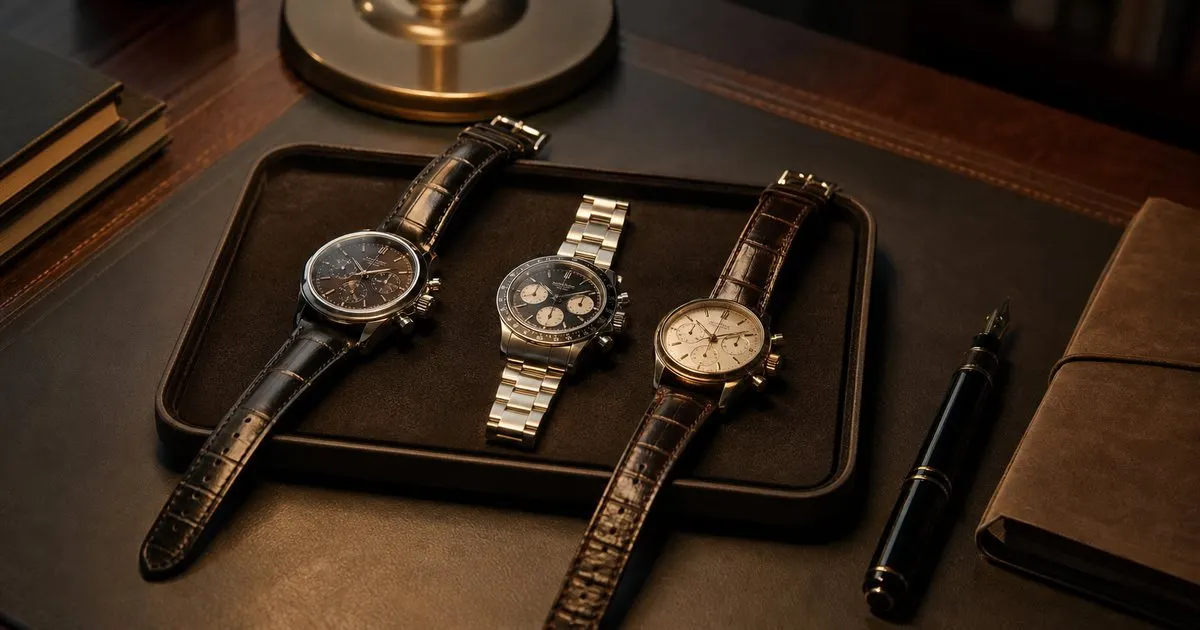
Homeowners policies rarely protect a serious watch the way owners assume. Here is how to decide between a scheduled rider and a standalone policy, and how to value what you own.
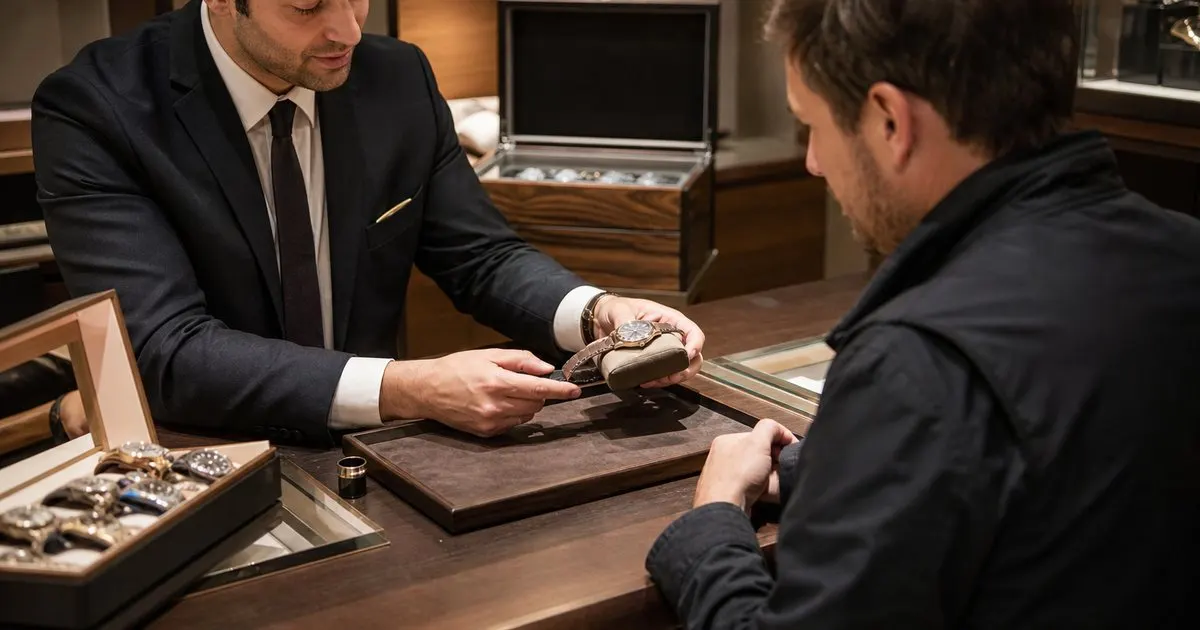
In an era of online listings and instant price checks, the authorized dealer can seem outdated. For sought-after references and long-term collecting, it remains one of the most valuable relationships you can build.
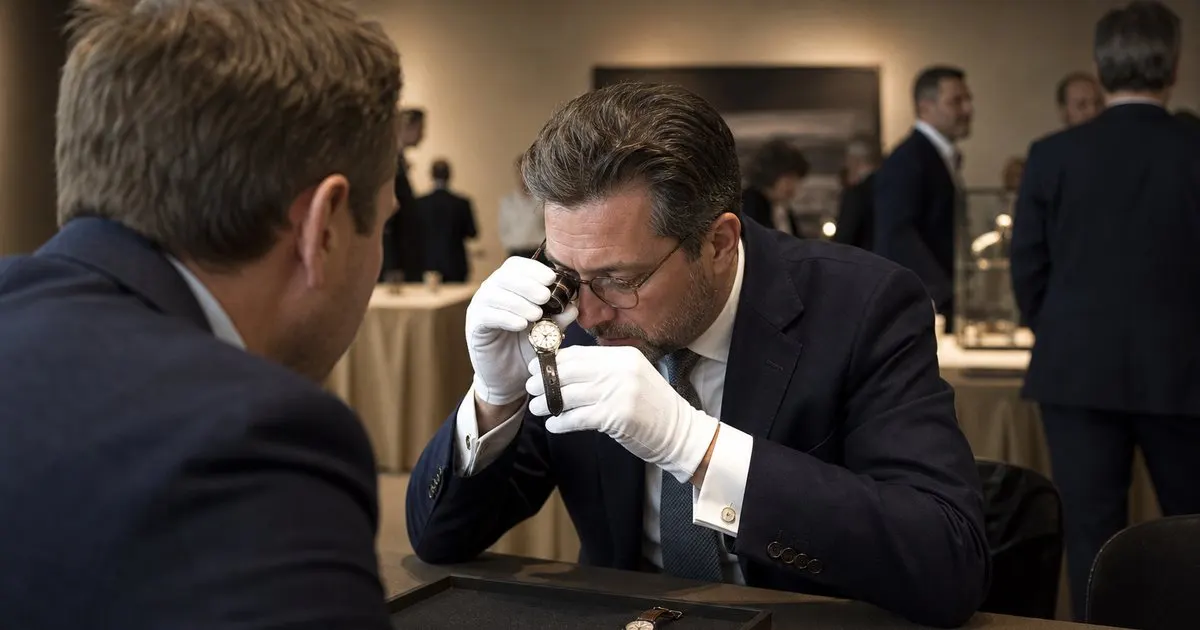
Auctions offer access to rare references and honest price discovery, but the process punishes the unprepared. This guide walks through condition reports, premiums, and bidding discipline.
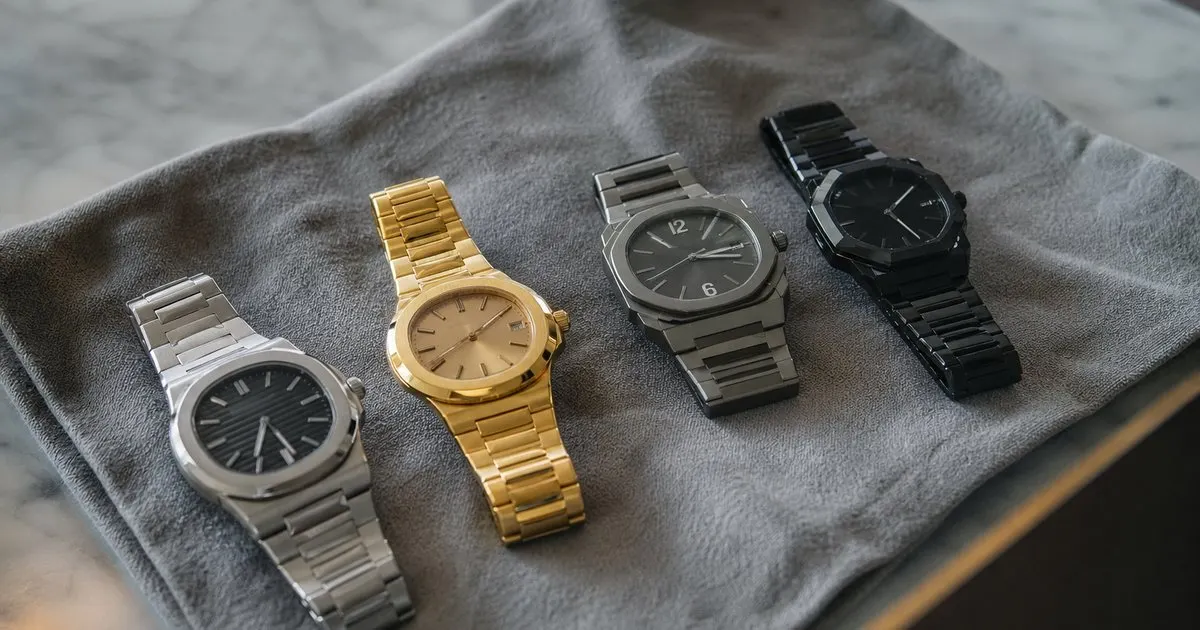
Steel, gold, titanium, ceramic, and platinum each carry a different price, feel, and long-term story. Here is how to decide which one belongs on your wrist and in your collection.
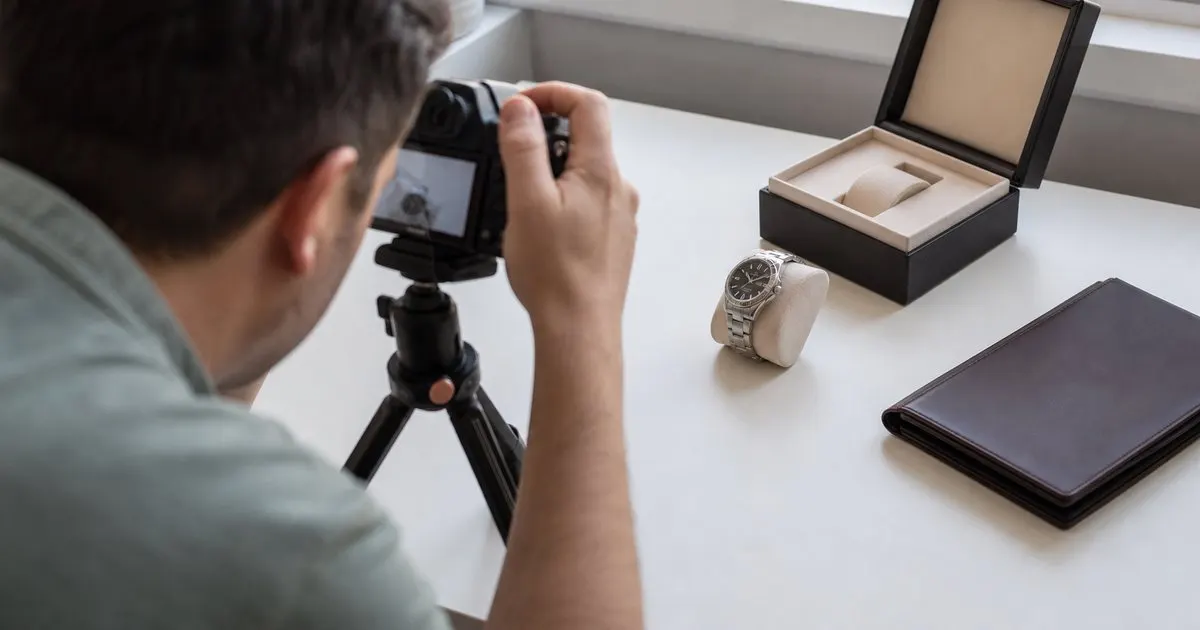
Selling well is a skill most collectors learn the expensive way. Here is how to choose between dealers, consignment, auction, and private sale, and how to present a watch so it commands its real value.
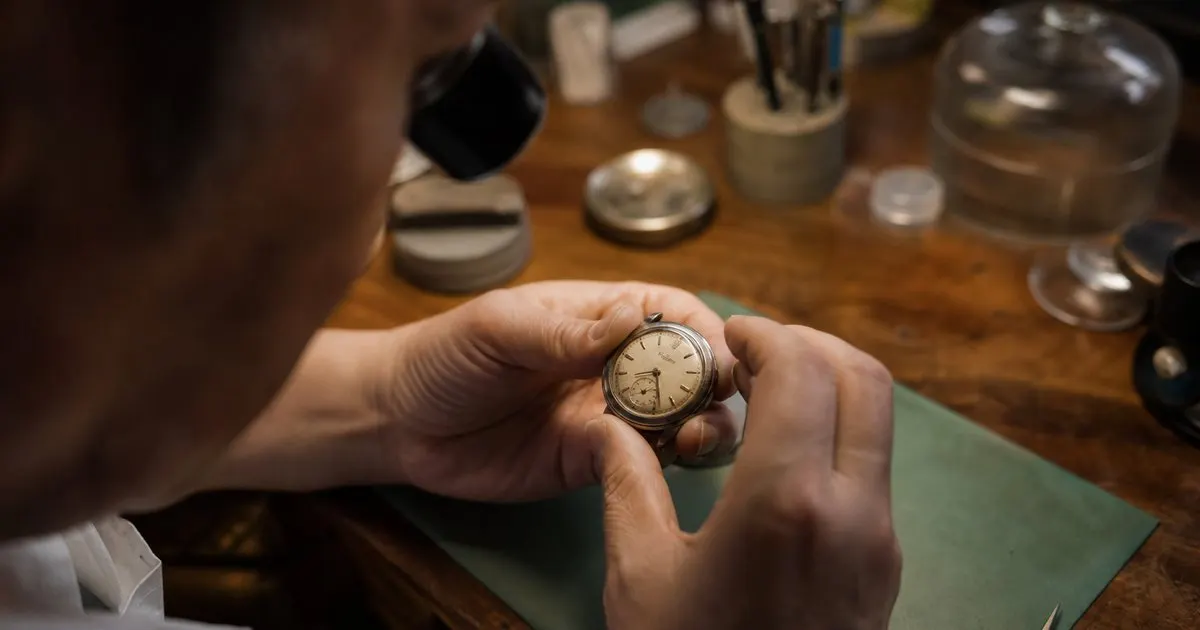
Cases can be polished and movements can be serviced, but a dial is the one component that cannot be restored without destroying its originality. Understanding this changes how you look at vintage watches.
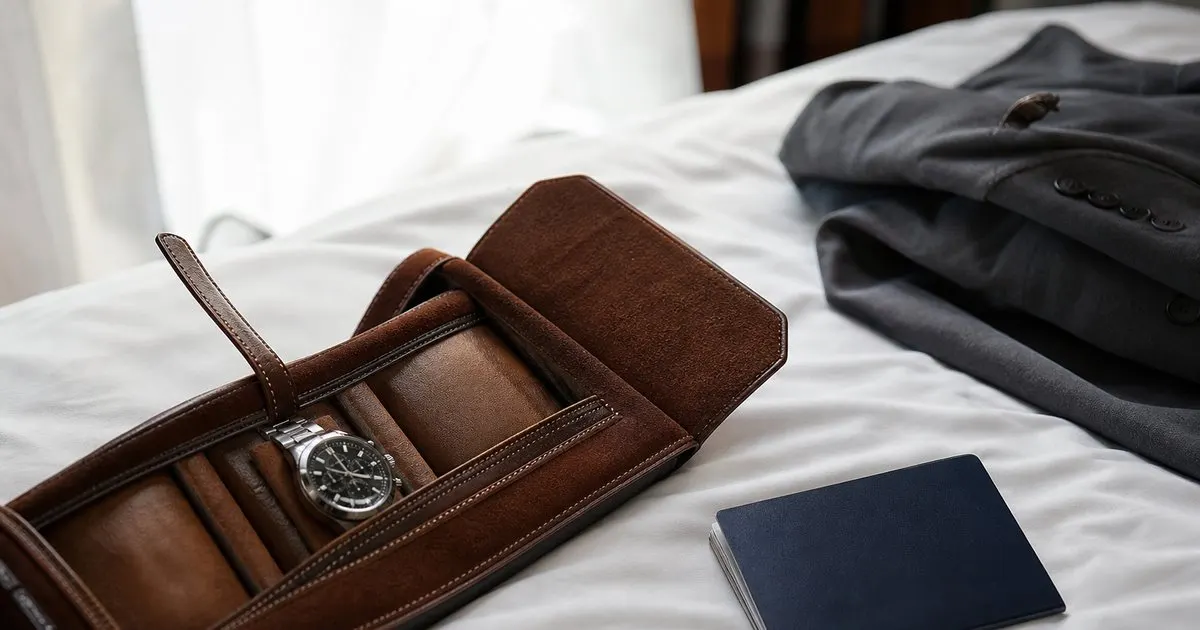
Customs declarations, insurance limits, and simple street sense all come into play once a watch in the five to fifteen thousand dollar range leaves home. A little preparation keeps the trip about the destination rather than the wrist.
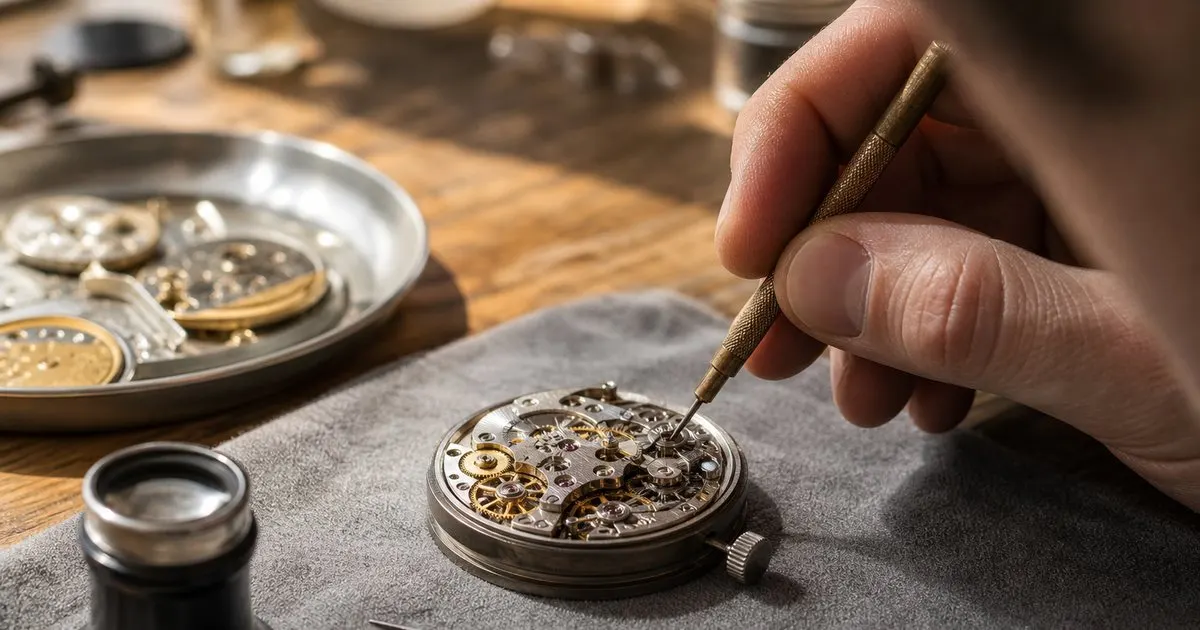
A practical framework for judging the daily rate of a fine mechanical watch, measuring it honestly over a full week, and deciding whether the deviation you see is normal, correctable at home, or a genuine case for the watchmaker.
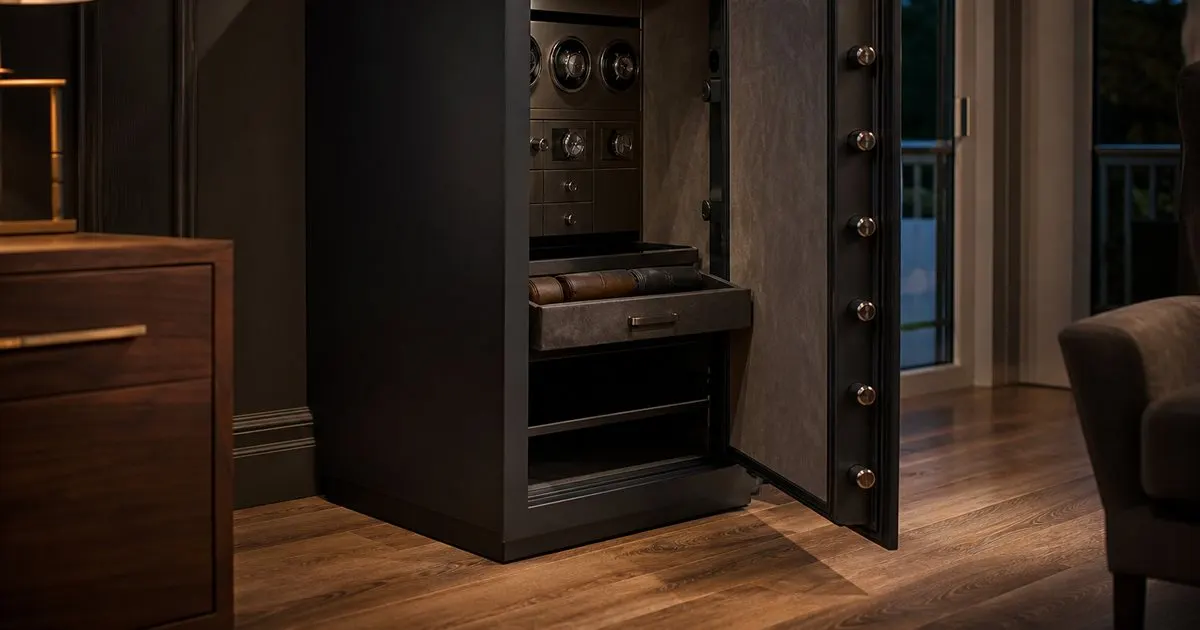
Most serious collections live in the owner's house rather than a vault, and the storage decision quietly determines how much risk you carry. Here is how to choose a safe, organize daily storage, and stay discreet.