Which Case Material Makes More Sense For A Collector Spending Between Five And Fifteen Thousand Dollars?
Steel, gold, titanium, ceramic, and platinum each carry a different price, feel, and long-term story. Here is how to decide which one belongs on your wrist and in your collection.
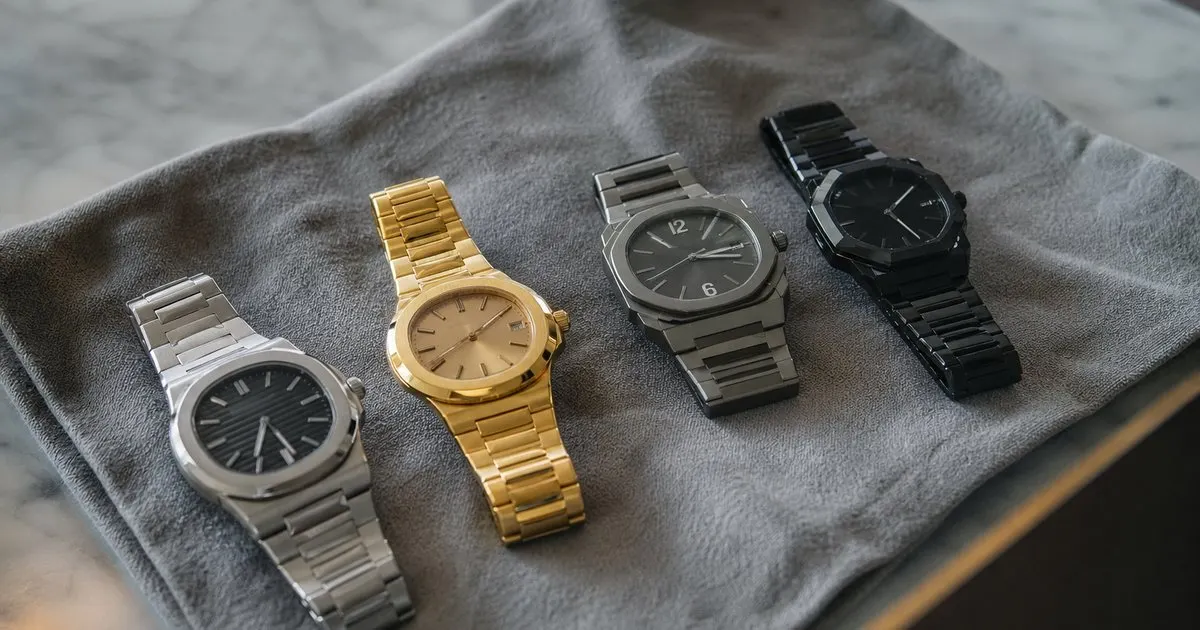
Stainless steel: the collector's default for good reason
Steel dominates the five to fifteen thousand dollar segment because it does almost everything well. It is hard enough to resist minor knocks, it polishes back to a clean finish when needed, and it tolerates daily wear without complaint. On sports models, steel is also often the most sought-after configuration, which is why certain steel references carry the strongest secondary demand. The finishing on a well-made steel case, with crisp transitions between brushed and polished surfaces, is a legitimate indicator of overall build quality.
The downside is that steel is common, and a steel watch does not distinguish itself by material alone. Weight is moderate, and some collectors with sensitive skin react to nickel content in certain alloys, although most modern watch steels are formulated to minimize this. For a first serious watch or a daily piece, steel is the answer more often than not; for a third or fourth watch, the question becomes more interesting. Related: How Should A New Collector Begin Building A Serious Luxury Watch Collection?
Keep reading: How Should A New Collector Begin Building A Serious Luxury Watch Collection?, What Determines Whether A Fine Watch Will Hold Its Value Over Time?, How Do You Authenticate A Luxury Watch Before Making A Significant Purchase?. See how Chronoholm helps you a collector guide to buying fine and luxury watches.
Gold and platinum: weight, warmth, and the price of metal
A precious metal case changes the experience of wearing a watch. Gold is noticeably heavier than steel and platinum heavier still, and that heft reads as substance every time you lift your wrist. Yellow, rose, and white gold each age differently: yellow and rose develop a soft warmth, while white gold is usually plated to keep it bright and may need re-plating over the years. Platinum is denser, develops a satin patina rather than scratching in the usual sense, and is the most understated of the group because it looks like steel until you feel it. Related: What Determines Whether A Fine Watch Will Hold Its Value Over Time?
Precious metal watches cost meaningfully more at retail, and the gap between retail and pre-owned price is often wider than for steel. That can be a disadvantage if you buy new and sell soon, and an opportunity if you buy pre-owned with patience. Gold also scratches more easily than steel, so a gold watch worn daily will show its history. For a dress watch worn on occasion, gold or platinum is the traditional and still correct choice. Related: Should You Buy A Luxury Watch New Or From The Secondary Market?
Titanium and ceramic: the modern alternatives
Titanium is light, strong, and comfortable, particularly on larger sports cases where steel would feel heavy. It has a darker, matte character and is hypoallergenic. Its drawbacks are that most grades scratch more readily than steel and are harder to refinish to a factory look, so a titanium watch worn hard tends to accumulate a soft, uniform wear that some collectors love and others do not.
Ceramic cases are extremely scratch resistant and keep their color indefinitely, which is why a black or white ceramic case looks new after years of wear. The trade-off is brittleness: ceramic does not dent, it chips or cracks under a sharp impact, and a damaged case is generally replaced rather than repaired. Neither material has the deep tradition of gold, and secondary market demand tends to be model specific. Buy them because you like how they feel and look, not for their resale profile.
Matching material to purpose and collection
Think about how each watch will be used. A daily piece that travels, goes to the office, and sees weekends belongs in steel or titanium. A watch for dinners and formal occasions earns its place in gold or platinum. A collector who already owns two steel sports watches gains more from a precious metal dress piece than from a third steel model, in variety and in how the collection reads as a whole. Related: Which Complications Are Worth Paying For In A Collector Grade Timepiece?
Consider also the finishing and the dial pairing. A rose gold case with a dark dial, a platinum case with a subtle blue, a steel case with a crisp white dial: these combinations carry the personality of the watch as much as the material itself. Within the five to fifteen thousand dollar range you can own excellent examples of any of these materials, so let purpose and taste lead, and let resale considerations inform rather than dictate. The watch you actually wear is the one that was worth buying.
- Steel is the versatile default for daily wear and often carries the strongest secondary demand on sports references.
- Gold and platinum bring weight and presence, suit dress watches, and are typically better bought pre-owned than new if resale matters.
- Titanium offers lightness and comfort; ceramic offers permanent scratch resistance at the cost of brittleness.
- Match material to how the watch will be used and to what your collection already contains.

Julien Jimenez
Julien Jimenez is an independent software builder based in Paris. He designs, ships, and operates focused SaaS products for small businesses and independent professionals. Read the full author page.
Collect with Knowledge and Patience
A collector guide to buying fine and luxury watches. Chronoholm is built to help you put this into practice.
Start collectingMore from the Chronoholm blog
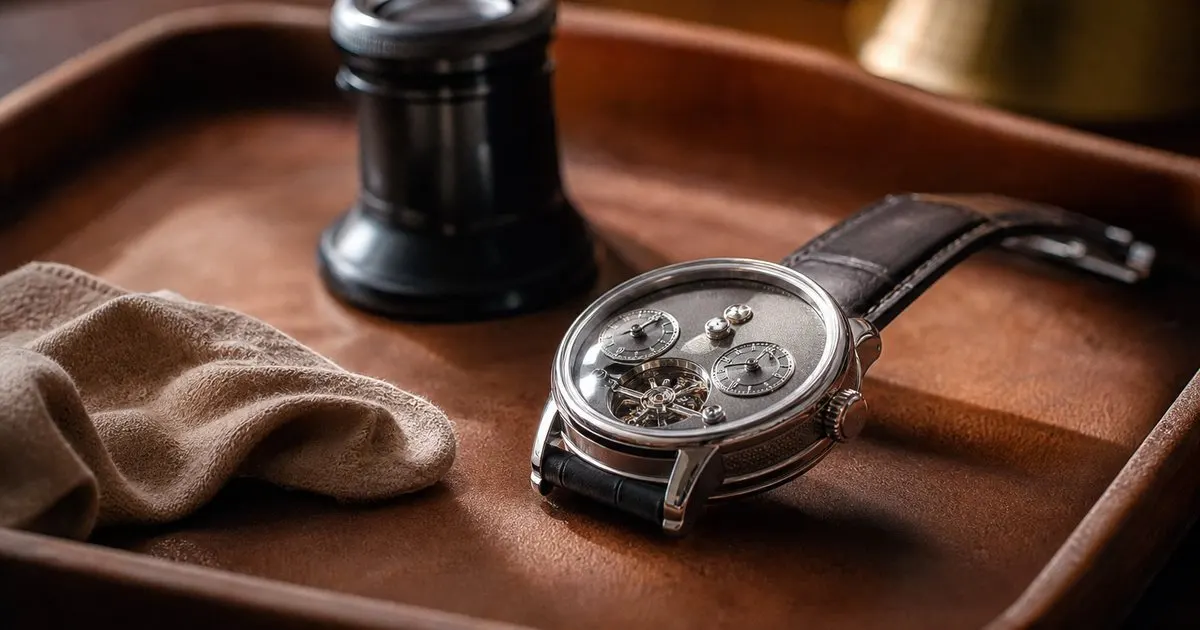
How Should A New Collector Begin Building A Serious Luxury Watch Collection?
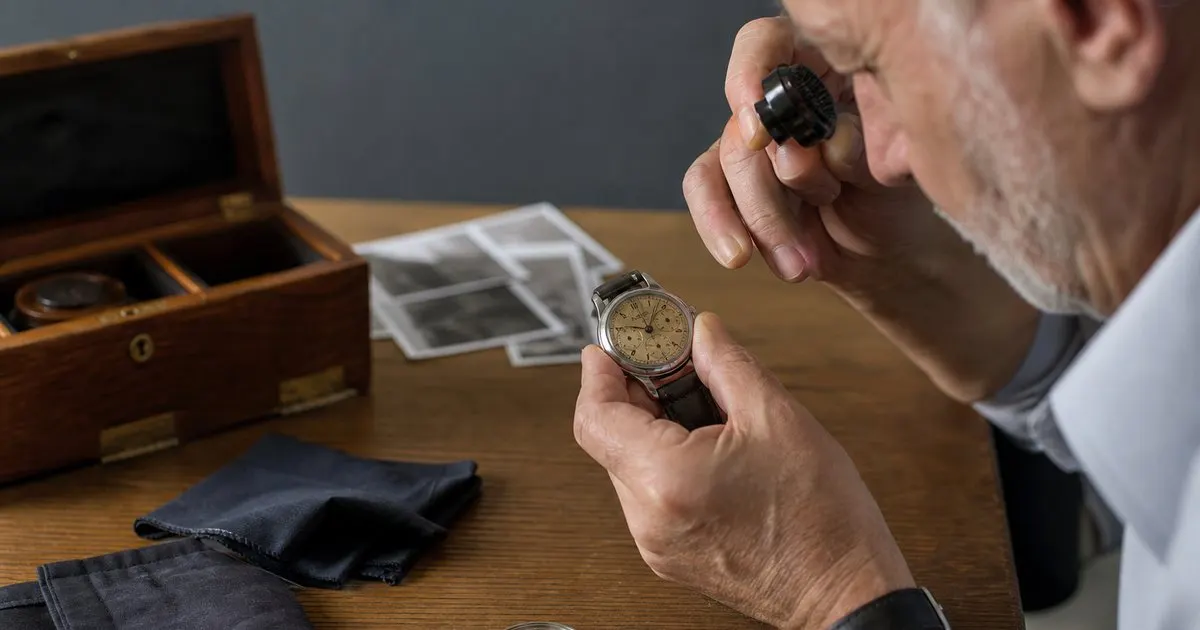
What Determines Whether A Fine Watch Will Hold Its Value Over Time?

How Do You Authenticate A Luxury Watch Before Making A Significant Purchase?
Get the complete fine and luxury watches guide
Our full buying guide, the price guide, and new research as we publish it. One email, no spam, unsubscribe any time.