Should You Buy A Luxury Watch New Or From The Secondary Market?
Weighing the merits of buying new against the opportunities and cautions of the pre-owned market.
Both routes have merit. Buying new offers warranty, known provenance, and pristine condition, though often with waitlists and premiums. The secondary market offers value, immediate availability, and access to discontinued references, but demands careful authentication. Let your intent and appetite for risk decide, and whichever you choose, verify authenticity, condition, and a fair price through a trusted source.
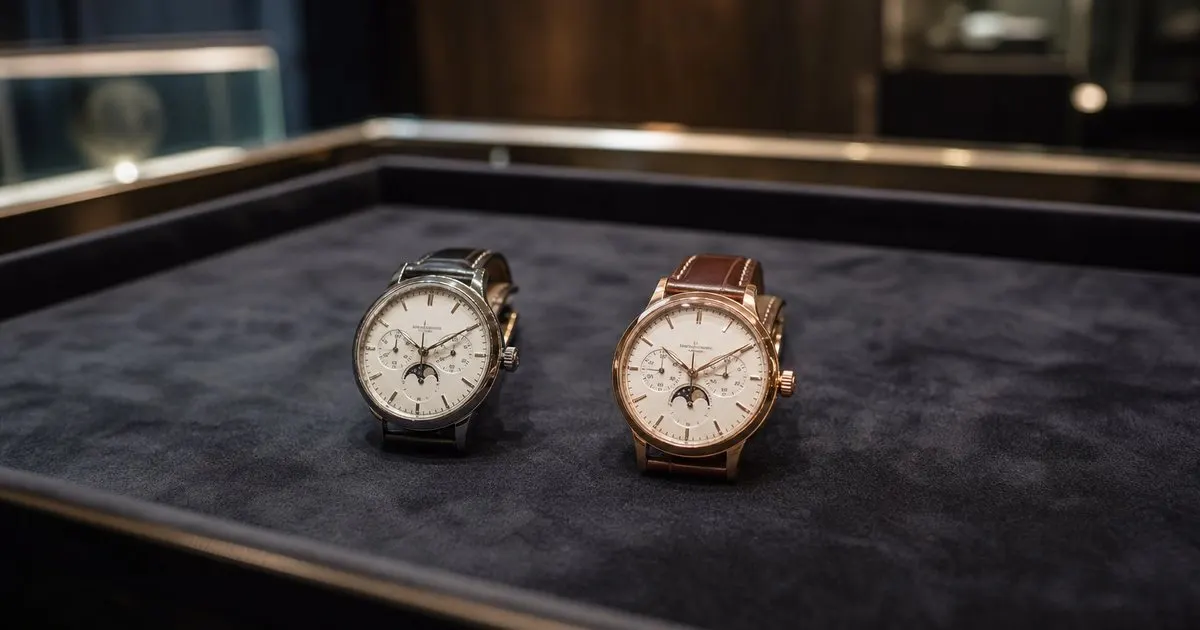
The case for new
Buying new offers certainty: full warranty, known provenance, and pristine condition. For those who value peace of mind and the ritual of acquisition, it is compelling. Related: What Should A First-Time Bidder Do When Buying A Fine Watch At Auction?
New purchases can also involve waitlists and premiums for sought after references. The certainty is real, but so is the cost and sometimes the wait.
Keep reading: How Should A New Collector Begin Building A Serious Luxury Watch Collection?, What Determines Whether A Fine Watch Will Hold Its Value Over Time?, How Do You Authenticate A Luxury Watch Before Making A Significant Purchase?. See how Chronoholm helps you a collector guide to buying fine and luxury watches.
The case for pre-owned
The secondary market can offer value, immediate availability, and access to discontinued references unavailable new. For patient, informed buyers, it opens doors the boutique cannot.
It also carries risk. Authentication, condition, and provenance must be verified carefully, since the protections of an authorized purchase are not automatically present. Related: How Do You Authenticate A Luxury Watch Before Making A Significant Purchase?
Matching to your goals
Your intent should guide the choice. Value and access favor the secondary market, while warranty and certainty favor new, and many collectors ultimately use both.
There is no universally right answer. The best route depends on the specific watch, your appetite for risk, and how much the reassurances of new ownership matter to you. Related: How Do You Choose The Right Case Size And Proportions For A Luxury Watch On Your Wrist?
Buying either way well
Whichever route you choose, the fundamentals hold: verify authenticity, assess condition, and confirm a fair price. Diligence protects you in the boutique and the marketplace alike.
Trusted sources matter most of all. A reputable seller, new or pre-owned, is worth more than a small saving from an unverifiable one. Related: Why Does Dial Condition Matter More Than The Case When Valuing A Vintage Watch?
- New offers warranty, certainty, and pristine condition
- Pre-owned offers value, availability, and rare references
- Let your intent and risk appetite decide
- Verify authenticity and price whichever route you take

Julien Jimenez
Julien Jimenez is an independent software builder based in Paris. He designs, ships, and operates focused SaaS products for small businesses and independent professionals. Read the full author page.
Frequently asked questions
Is pre-owned always cheaper than new?
Not always. Sought after references can trade above retail on the secondary market. Value depends on the specific watch and current demand.
Is buying pre-owned risky?
It carries more risk around authenticity and condition, but that is manageable. Buy from reputable sellers and verify carefully to protect yourself.
Collect with Knowledge and Patience
A collector guide to buying fine and luxury watches. Chronoholm is built to help you put this into practice.
Start collectingMore from the Chronoholm blog
How Should A New Collector Begin Building A Serious Luxury Watch Collection?
What Determines Whether A Fine Watch Will Hold Its Value Over Time?
How Do You Authenticate A Luxury Watch Before Making A Significant Purchase?
Get the complete fine and luxury watches guide
Our full buying guide, the price guide, and new research as we publish it. One email, no spam, unsubscribe any time.