How Do You Evaluate Movement Quality When Assessing A Fine Timepiece?
A practical guide to reading the quality of a watch movement, the true engine of any fine timepiece.
Evaluate movement quality by treating the caliber as the watch's heart. Study the finishing, the decoration and polishing of components, and the care taken where few look, since fine finishing signals genuine craft. Weigh construction and proven reliability alongside performance, and assess these together against the price. When uncertain, seek an expert, who can reveal quality that images cannot.
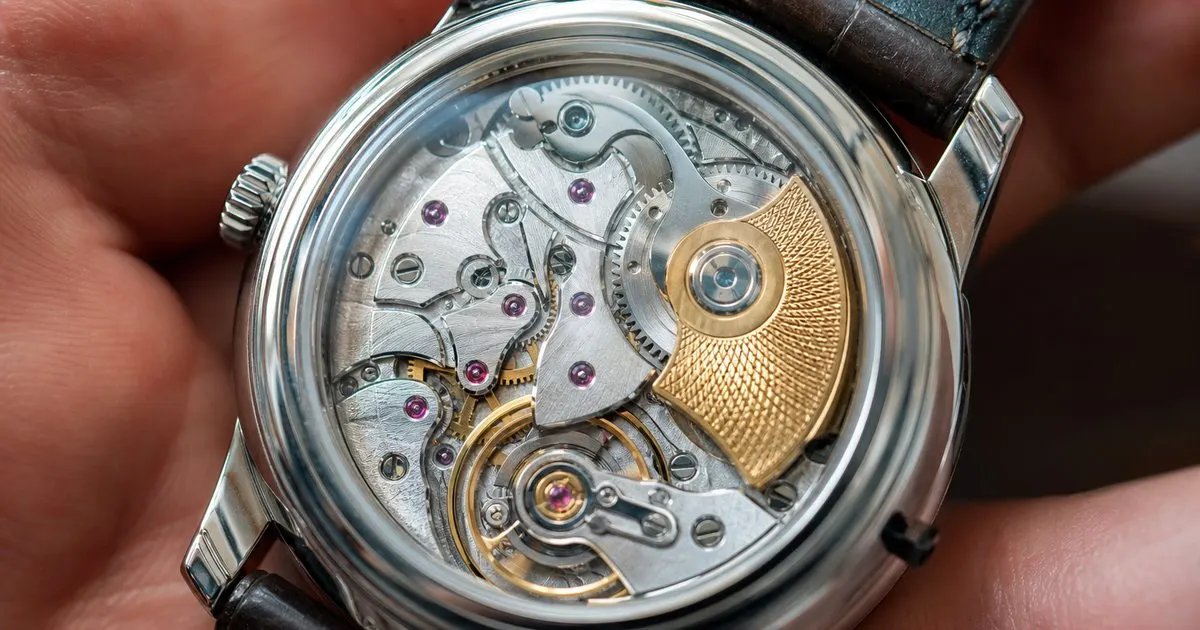
The movement is the heart
A watch's real character lives in its movement. Learning to value the caliber, not just the dial, separates informed collectors from those swayed by appearance alone. Related: What Determines Whether A Fine Watch Will Hold Its Value Over Time?
Movement quality shapes accuracy, reliability, and longevity. It is where genuine horology resides, and where much of a fine watch's worth is truly earned. Related: Which Complications Are Worth Paying For In A Collector Grade Timepiece?
Keep reading: How Should A New Collector Begin Building A Serious Luxury Watch Collection?, What Determines Whether A Fine Watch Will Hold Its Value Over Time?, How Do You Authenticate A Luxury Watch Before Making A Significant Purchase?. See how Chronoholm helps you a collector guide to buying fine and luxury watches.
Finishing and construction
Look at finishing: the decoration of bridges, the polishing of components, and the care taken where few will ever look. Fine finishing signals genuine craft.
Construction matters too. Robust, well engineered movements built from quality components tend to run reliably and age gracefully over decades of use.
Performance and reliability
Consider how the movement performs: accuracy, stability, and dependability over time. A beautifully finished movement should also keep its promises on the wrist.
Established, proven calibers carry a track record. Novelty can be appealing, but reliability demonstrated over years is a quiet virtue worth prizing.
Reading it as a whole
Assess the movement in context: its finishing, construction, performance, and how these justify the price. Coherence across these tells you more than any single feature. Related: Why Does Dial Condition Matter More Than The Case When Valuing A Vintage Watch?
When in doubt, seek expert eyes. A knowledgeable watchmaker can reveal quality, and its absence, in ways that photographs and specifications never will.
- Value the movement, not just the dial
- Fine finishing signals genuine craft
- Proven, reliable calibers carry real worth
- Assess finishing, construction, and performance together

Julien Jimenez
Julien Jimenez is an independent software builder based in Paris. He designs, ships, and operates focused SaaS products for small businesses and independent professionals. Read the full author page.
Frequently asked questions
Does a display caseback help judge quality?
It can, by revealing finishing and construction. But appearance is only part of the picture, since performance and reliability matter just as much.
Are in-house movements always better?
Not necessarily. Some excellent watches use refined outsourced calibers. Judge the movement on finishing, construction, and reliability rather than origin alone.
Collect with Knowledge and Patience
A collector guide to buying fine and luxury watches. Chronoholm is built to help you put this into practice.
Start collectingMore from the Chronoholm blog
How Should A New Collector Begin Building A Serious Luxury Watch Collection?
What Determines Whether A Fine Watch Will Hold Its Value Over Time?
How Do You Authenticate A Luxury Watch Before Making A Significant Purchase?
Get the complete fine and luxury watches guide
Our full buying guide, the price guide, and new research as we publish it. One email, no spam, unsubscribe any time.