Why Does Dial Condition Matter More Than The Case When Valuing A Vintage Watch?
Cases can be polished and movements can be serviced, but a dial is the one component that cannot be restored without destroying its originality. Understanding this changes how you look at vintage watches.
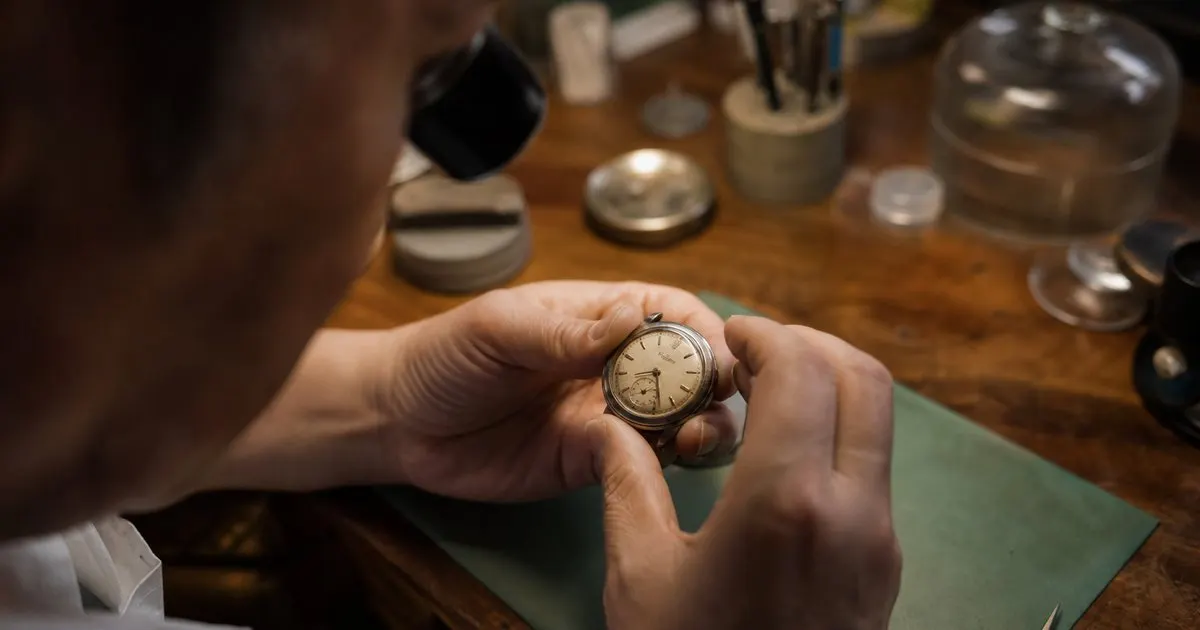
The dial is the only component that cannot be brought back
A vintage case that has been polished loses metal and sharpness, and that is regrettable, but it remains the original case. A movement that has been serviced with period-correct parts remains the original movement. A dial, however, is a painted or lacquered surface that has aged over decades, and any attempt to refinish it replaces the original printing, texture, and patina with modern work. Once a dial has been refinished, the watch is no longer what it was, and the market treats it accordingly. Related: Should You Buy A Luxury Watch New Or From The Secondary Market?
This is why collectors will accept a lightly worn case and a serviced movement but recoil at a refinished dial. The dial is where the history lives: the way the lume has aged, the tone the lacquer has taken, the faint spotting from decades of humidity. Those imperfections are the evidence of an honest life, and they are the reason two otherwise identical vintage watches can differ in value by multiples.
Keep reading: How Should A New Collector Begin Building A Serious Luxury Watch Collection?, What Determines Whether A Fine Watch Will Hold Its Value Over Time?, How Do You Authenticate A Luxury Watch Before Making A Significant Purchase?. See how Chronoholm helps you a collector guide to buying fine and luxury watches.
How to read a dial for originality
Start with the printing. Original dial text is typically crisp and sits either slightly raised or perfectly flat depending on the technique, with consistent letter shapes and spacing that match known examples from the same period. Refinished dials often show slightly heavier or uneven lettering, misaligned text, or a font that is close but not correct. Compare against reference photographs of confirmed originals, ideally from multiple sources, because production varied across years and suppliers.
Then look at the surface and the lume. An original dial ages in a way that is coherent: the lume plots on the dial and the lume on the hands should have aged to a similar tone, and the lacquer should show even wear rather than a perfectly fresh finish on an otherwise old watch. Under a loupe, look at the edges of the dial and the holes for the hands; a refinished dial may show paint bleeding or a surface that stops abruptly. When in doubt, a dial that looks too perfect for its age usually is.
Patina, damage, and where the line sits
Not all aging is equal. Even, warm patina, whether a gentle cream tone on white lume or a consistent darkening across a dial, is prized, and certain forms of unusual aging have become sought after in their own right. Damage is different: flaking lacquer, heavy spotting, corrosion from moisture, or scratches from a careless hand-setting all reduce value, sometimes sharply, because they are not simply time passing but deterioration. The distinction between attractive patina and outright damage is subjective at the edges, which is why prices for aged dials vary so widely. Related: What Determines Whether A Fine Watch Will Hold Its Value Over Time?
Photographs flatter and deceive in equal measure. Warm lighting makes spotting look like patina, and some sellers know this. Ask for photographs in neutral daylight and under direct, flat light, and request a close-up under magnification. If a dial has been described as original, ask what that assessment is based on. A reputable seller will explain their reasoning; a vague answer is itself information.
Valuing and buying with the dial first
When evaluating a vintage watch, weight your assessment in this order: dial, then hands, then case, then movement, then bracelet or strap. A superb original dial on a polished case is a far better purchase than a crisp case with a refinished dial, and the market generally prices it that way. Hands should be period correct and should match the dial's aging; replaced hands with fresh lume on an aged dial are a common and value-reducing mismatch. Related: How Do You Evaluate Movement Quality When Assessing A Fine Timepiece?
For buyers in the five to fifteen thousand dollar range, the practical guidance is to pay up for an honest dial and forgive minor case wear, rather than the reverse. Ask for a written statement of originality in the sale description, keep all photographs and correspondence, and where the purchase is significant consider an independent opinion from a specialist who knows the reference. A vintage watch with an untouched dial is a document as much as an object, and that is what you are paying for. Related: How Do You Authenticate A Luxury Watch Before Making A Significant Purchase?
- A refinished dial replaces the original surface permanently, which is why it reduces value more than a polished case or a serviced movement.
- Assess originality through printing quality, coherent aging between dial and hand lume, and surface details under a loupe.
- Even, attractive patina adds appeal; flaking, corrosion, and scratches are damage and reduce value.
- Weight your evaluation dial first, and prefer an honest dial with a worn case over the reverse.

Julien Jimenez
Julien Jimenez is an independent software builder based in Paris. He designs, ships, and operates focused SaaS products for small businesses and independent professionals. Read the full author page.
Collect with Knowledge and Patience
A collector guide to buying fine and luxury watches. Chronoholm is built to help you put this into practice.
Start collectingMore from the Chronoholm blog
How Should A New Collector Begin Building A Serious Luxury Watch Collection?
What Determines Whether A Fine Watch Will Hold Its Value Over Time?
How Do You Authenticate A Luxury Watch Before Making A Significant Purchase?
Get the complete fine and luxury watches guide
Our full buying guide, the price guide, and new research as we publish it. One email, no spam, unsubscribe any time.