How Accurate Should A Mechanical Watch Actually Run Before A Collector Sends It Back For Regulation?
A practical framework for judging the daily rate of a fine mechanical watch, measuring it honestly over a full week, and deciding whether the deviation you see is normal, correctable at home, or a genuine case for the watchmaker.

Accuracy Is A Rate, Not A Verdict
The first thing to understand is that a mechanical watch does not keep time the way a quartz watch does. It runs fast or slow by a certain number of seconds each day, and that figure, called the daily rate, is the number that matters. A watch gaining a few seconds every day is not broken. It is a mechanical oscillator responding to temperature, to how much the mainspring is wound, to the position it sat in overnight, and to the way you happen to move your arm. A collector who expects a mechanical caliber to match a phone is measuring the wrong object against the wrong standard. Related: How Should A New Collector Begin Building A Serious Luxury Watch Collection?
What separates a well finished movement from a mediocre one is consistency rather than a single flattering number. A watch that gains four seconds a day, every day, is easy to live with because you can anticipate it and reset once a month. A watch that gains four seconds one day, loses six the next, and swings again the day after is the one worth investigating, even if the weekly average looks respectable. Regularity signals a properly adjusted balance and a healthy escapement. Erratic behavior usually points to something specific, and that something is what a watchmaker can actually fix. Related: Which Complications Are Worth Paying For In A Collector Grade Timepiece?
Keep reading: How Should A New Collector Begin Building A Serious Luxury Watch Collection?, What Determines Whether A Fine Watch Will Hold Its Value Over Time?, How Do You Authenticate A Luxury Watch Before Making A Significant Purchase?. See how Chronoholm helps you a collector guide to buying fine and luxury watches.
What To Expect From A Watch In The Five To Fifteen Thousand Dollar Range
At this level you are generally buying a movement that has been adjusted in several positions, and that adjustment is a large part of what your money purchased. Non certified but carefully regulated calibers typically settle within a range of several seconds fast or slow per day under normal wear. Movements submitted to independent Swiss chronometer testing are held to a tighter published tolerance, commonly cited as a few seconds slow to a handful of seconds fast measured under controlled laboratory conditions. Treat those figures as the laboratory benchmark, not as a promise about your wrist.
Real world results almost always differ from the certificate, and that is expected rather than disappointing. Certification measures a bare movement in fixed positions at set temperatures over a defined test period. Your watch lives on a warm wrist, sits crown up or dial down overnight, absorbs desk knocks, and runs down toward the weaker end of its power reserve if you leave it off for two days. A piece that tests beautifully in a lab and gains six seconds a day on you has not failed. It is telling you that your wearing pattern favors a position the regulator did not weight heavily.
How To Measure Your Own Watch Honestly Before You Call Anyone
Before raising the issue with a boutique or a watchmaker, collect real data. Set the watch against a reliable reference at a fixed moment, wear it exactly as you normally would, and record the deviation at the same time each morning for seven to ten consecutive days. One overnight reading proves nothing, because a single night in an unusual position can distort the figure enough to send you chasing a problem that does not exist. Keep the watch reasonably wound throughout, since a movement running on the last hours of its reserve will lose amplitude and drift. Related: How Do You Authenticate A Luxury Watch Before Making A Significant Purchase?
Once you have a wear log, run a short positional test. Leave the watch overnight in one consistent position, note the change, then repeat over subsequent nights with the crown up, the crown down, and the dial up. Most collectors discover that one resting position pulls the rate noticeably in one direction. That single finding is often the whole solution: park the watch overnight in the position that offsets your daytime gain, and a piece that ran several seconds fast can settle close to even without anyone opening the case.
When Regulation, Service, Or A Warranty Claim Is Genuinely Warranted
Rule out magnetism first, because it is the most common cause of a sudden dramatic change and the cheapest to correct. A watch that suddenly runs wildly fast, often by a large margin rather than a few seconds, has usually picked up magnetism from a laptop speaker, a bag closure, a phone stand, or a magnetic cabinet latch. Any competent watchmaker can demagnetize a piece in minutes, and many do it as a courtesy. If the rate returns to normal afterward, no regulation was ever needed and no service is due.
Escalate when the numbers stay poor after demagnetizing, when the deviation is large and inconsistent day to day, when the power reserve has clearly shortened, or when the rate has drifted steadily worse over months. Those are the signals of a movement wanting attention rather than an adjustment. Within a manufacturer warranty period, most brands will regulate a watch that falls outside their stated tolerance, so bring your written log rather than an impression. Outside warranty, a straightforward regulation is a modest bench job, while a full service on a fine caliber is a far larger commitment typically due only every several years. Related: What Determines Whether A Fine Watch Will Hold Its Value Over Time?
- Consistency of the daily rate matters more than a single impressive number.
- Laboratory certification figures describe controlled testing, not your wrist under real wear.
- Log seven to ten days plus overnight positional tests before contacting anyone.
- Demagnetize before assuming regulation or service is required.

Julien Jimenez
Julien Jimenez is an independent software builder based in Paris. He designs, ships, and operates focused SaaS products for small businesses and independent professionals. Read the full author page.
Collect with Knowledge and Patience
A collector guide to buying fine and luxury watches. Chronoholm is built to help you put this into practice.
Start collectingMore from the Chronoholm blog
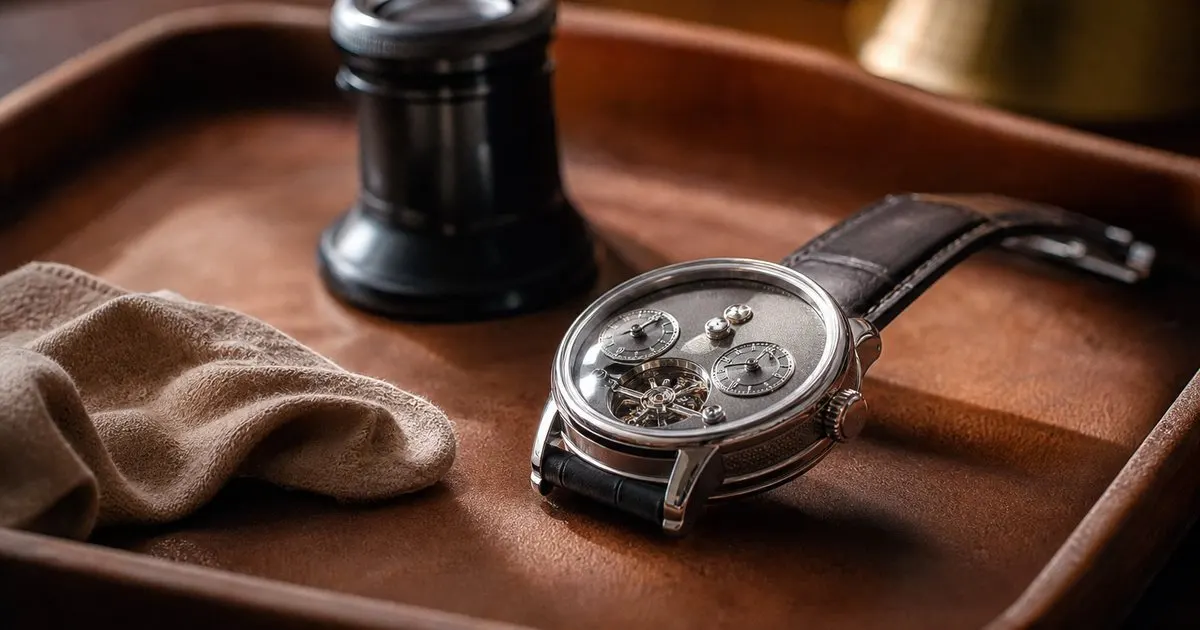
How Should A New Collector Begin Building A Serious Luxury Watch Collection?
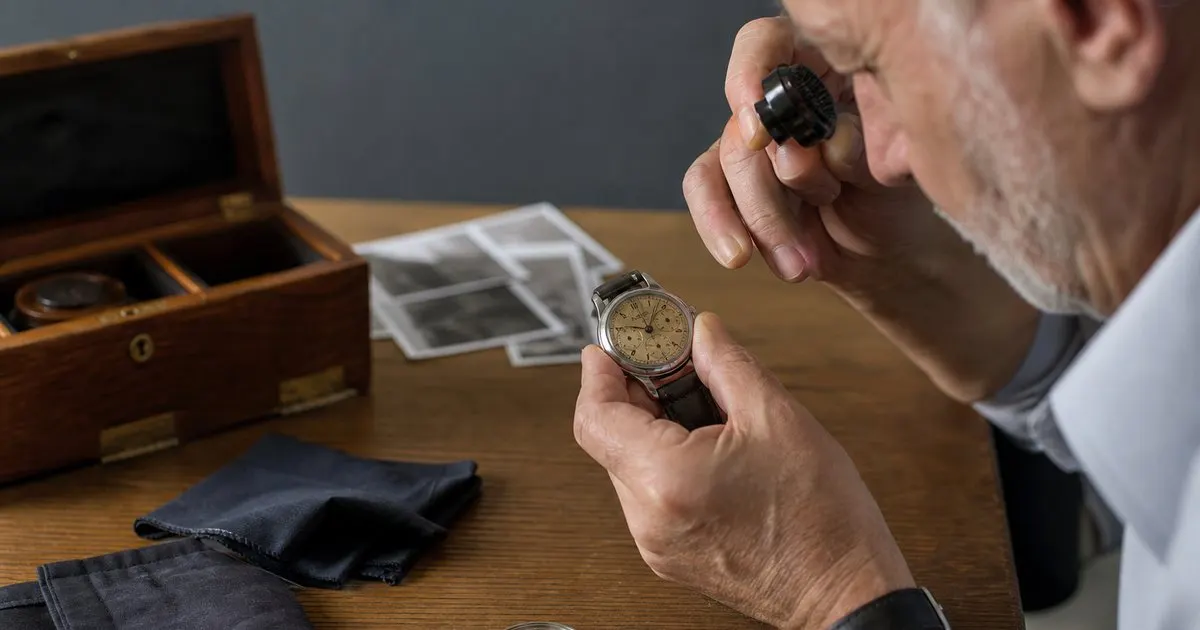
What Determines Whether A Fine Watch Will Hold Its Value Over Time?
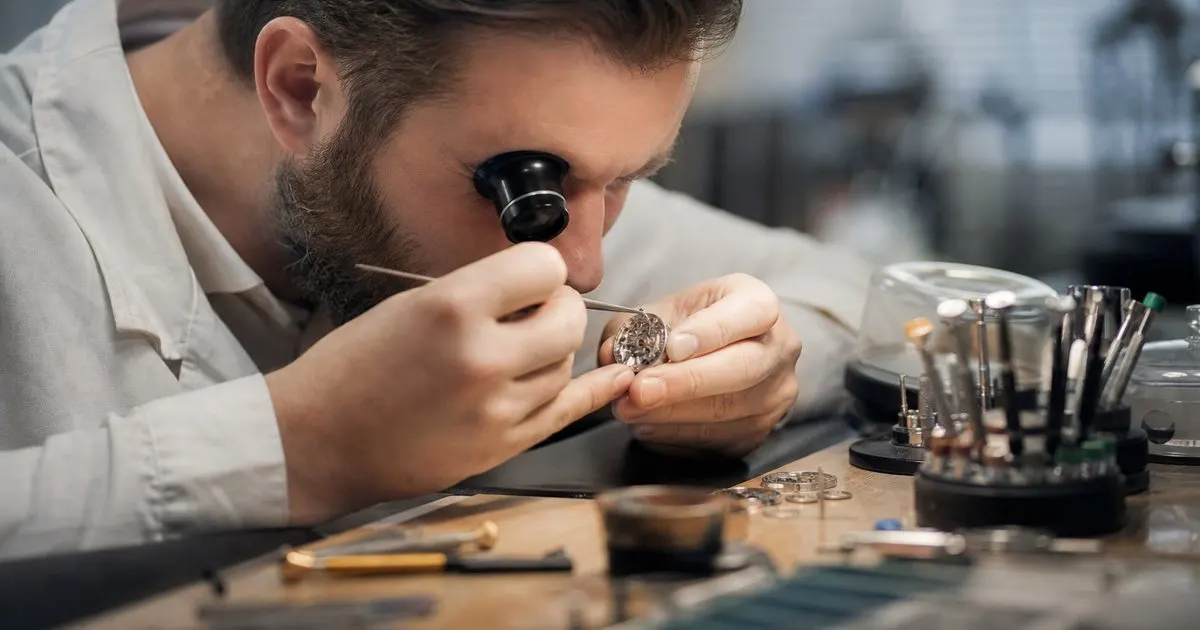
How Do You Authenticate A Luxury Watch Before Making A Significant Purchase?
Get the complete fine and luxury watches guide
Our full buying guide, the price guide, and new research as we publish it. One email, no spam, unsubscribe any time.